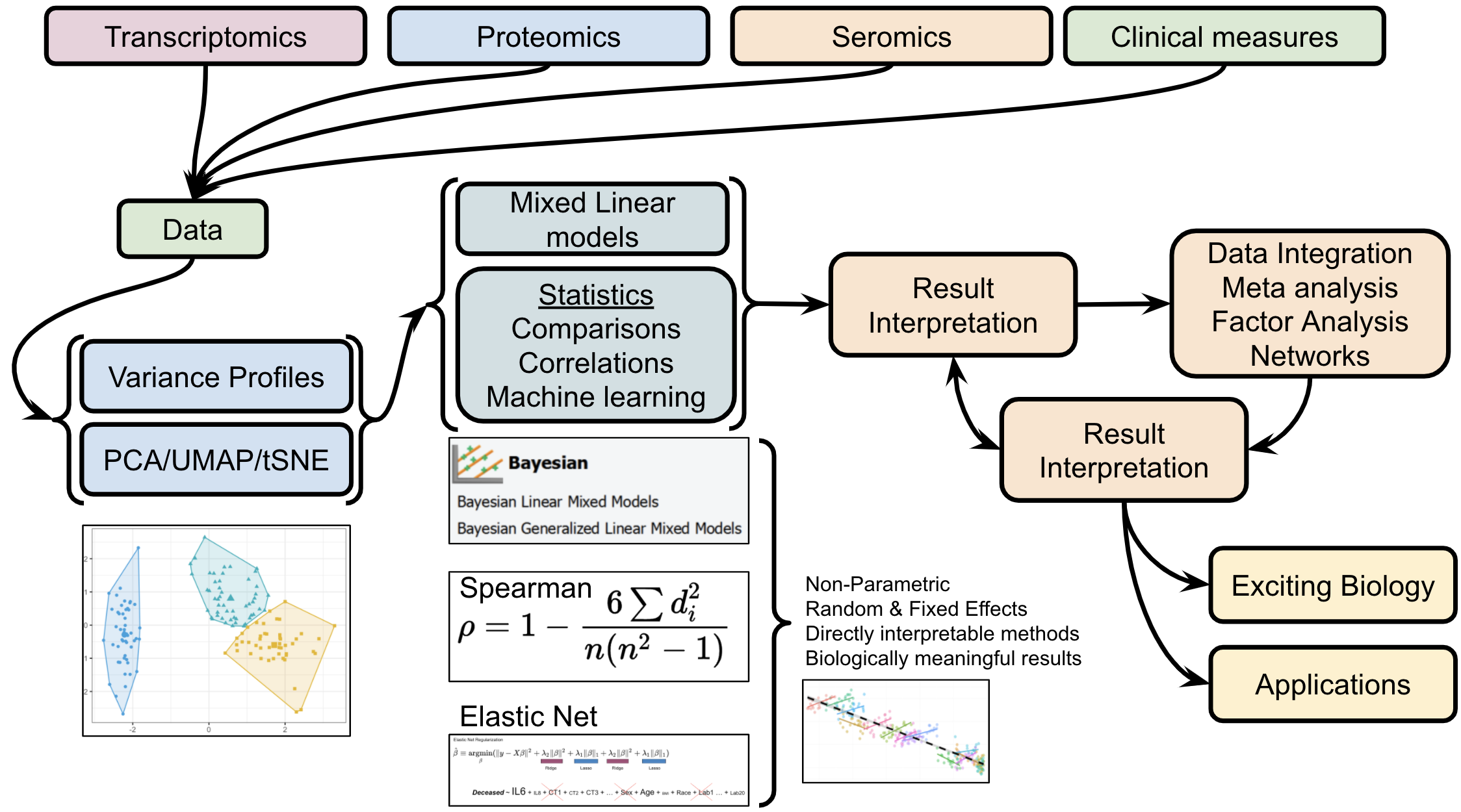
Research Statement
I am an Assistant Professor and Early-Stage Investigator with a long-term goal of uncovering how immune homeostasis becomes dysregulated in disease by using and developing algorithms (including data modeling and machine learning techniques). My early work spanned biochemical and functional characterization of animal venom enzymes and toxins, as well as the computational prediction of protein-protein interactions and development of pipelines for transcriptome analysis across human and non-human systems. My current work centers on developing and applying computational and statistical algorithms to analyze large-scale data, including transcriptomics, proteomics, single-cell, and spatial technologies.
My recent contributions have focused on developing computational and integrative approaches to uncover molecular and cellular determinants of disease and therapeutic response across cancer and other human diseases. A central theme of my work has been the discovery of previously inaccessible “dark matter” within liquid biopsies and extracellular vesicles, including transcriptional and proteomic signatures that capture tissue-specific biology and can be leveraged as minimally invasive biomarkers. In parallel, I have integrated proteomics, transcriptomics, single-cell profiling, and spatial technologies to identify immune states associated with treatment response and resistance across multiple cancers, including prostate cancer (Gonzalez-Kozlova et al., Mol Cancer Res, 2024), bladder cancer (Galsky et al., Nat Med, 2023), hepatocellular carcinoma (Magen et al., Nat Med, 2023), lung cancer (Gonzalez-Kozlova et al., Clin Cancer Res, 2024), and Hodgkin lymphoma (Gonzalez-Kozlova et al., Cancer Res Commun, 2024). More recently, my work has identified tumor-antigen–specific humoral responses associated with clinical outcomes following immune checkpoint blockade (Gonzalez-Kozlova et al., Nat Med, 2026) and established extracellular particles as a complementary source of circulating molecular biomarkers (Gonzalez-Kozlova et al., Nat Commun, 2026).
A second major component of my research is the development of computational methods that enable quantitative analysis of complex biological systems. My work has spanned computational prediction of antibody–antigen interactions and epitope identification (Gonzalez-Kozlova et al., Sci Rep, 2018; Viart et al., Bioinformatics, 2016) to scalable analysis of multiparametric cellular and spatial organization in cancer tissues (Buckup et al., Nat Biomed Eng, 2025). Together, these efforts establish a computational framework for connecting molecular measurements with cellular states, tissue architecture, and clinical phenotypes.
I serve as Co-Investigator on multiple NIH-funded projects spanning the NIA, NIAID, and NCI, where I lead computational algorithm development, multimodal data integration, and biomarker discovery. These efforts include risk modeling from liquid biopsies, identification of early immune correlates of disease, and cross-cohort analysis of biomarkers associated with treatment response and resistance. I also contribute to multi-cohort biomarker discovery through the CIMAC-CIDC-IOTN Cancer Network and serve on the NIH HTBT Study Section. Collectively, my research aims to develop computationally enabled, clinically actionable biomarkers that bridge molecular and cellular measurements with patient outcomes.
I lead correlative analyses for numerous clinical trials part of the CIMAC-CIDC-IOTN Cancer Network, where I am also an active reviewer for high-impact journals such as Nature, Cell, Frontiers, JEV, and BMC, and I serve on the NIH HTBT study section. My commitment to community extends beyond research, as I mentor students, postdocs, and high school trainees through outreach initiatives that support scientific growth and project success. I collaborate with leaders across disciplines, including Dr. Dogra (extracellular vesicles and technology), Drs. Gnjatic, Tewari, Kyprianou, and Villanueva (cancer research), Dr. Merad (immunology), Dr. Lafaille (allergy), Dr. Chun (organ transplant), and Drs. Roussos and Charney (neuroscience). My expertise in both experimental and computational approaches enables me to investigate the molecular dynamics between homeostasis and disease with the goal of discovering novel diagnostics and therapeutic strategies. In collaboration with Dr. Chakraborty, I am currently helping to elucidate the tumor-suppressor roles of male sex chromosome–linked genes in lethal prostate cancer.
Single-cell and Spatial Immune Homeostasis and its Dysregulation
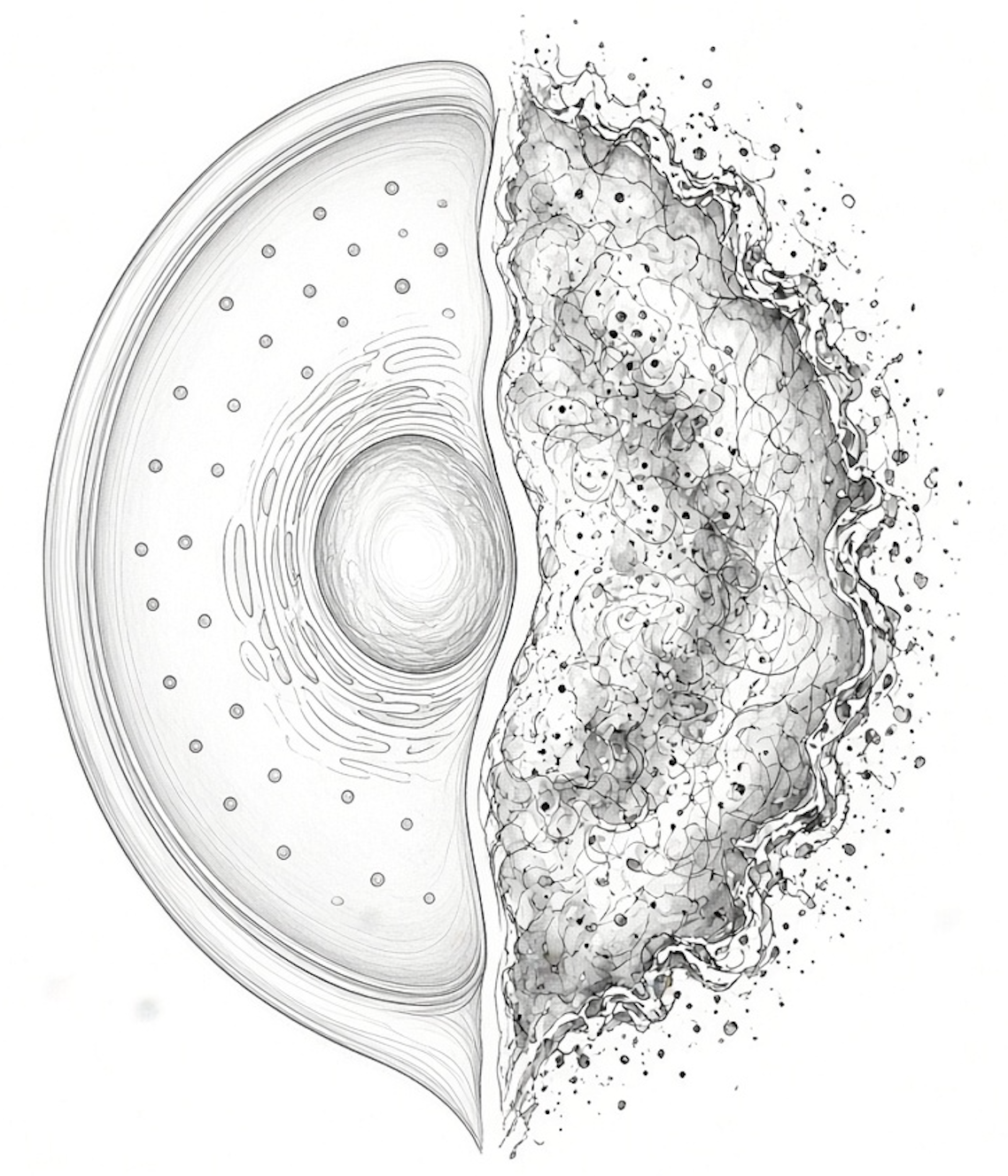
We study how the immune system sustains tissue homeostasis and what breaks when it does not. By integrating single-cell RNA-seq, CyTOF, multiplex immunohistochemistry, and spatial transcriptomics or proteomics, we reconstruct the cellular neighborhoods that organize healthy tissue and track how that organization degrades in disease. This work spans a single-cell spatial census of human skin anatomy (Restrepo et al., Nat Genet, 2026), the bone marrow immune microenvironment in multiple myeloma (Pilcher et al., Nat Cancer, 2026), intratumoral dendritic cell–T cell niches in liver cancer (Magen et al., Nat Med, 2023), and the dendritic cells that control tertiary lymphoid structures in tumors (Mattiuz et al., Science, 2026). We also develop the computational pipelines that make these measurements comparable across centers, assays, and clinical trials (Buckup et al., Nat Biomed Eng, 2025), turning descriptive atlases into quantitative measures of dysregulation.
Allergy
In collaboration with Dr. Curotto de Lafaille, we investigate why allergic responses persist for decades and what distinguishes atopic from non-atopic immunity at the level of individual B cells. We combine single-cell transcriptomics, B-cell receptor repertoire analysis, and flow cytometry to map the memory compartment that feeds pathogenic IgE production. This work identified IgG memory B cells expressing IL4R and FCER2 (CD23) as a hallmark of atopic disease (Aranda, Gonzalez-Kozlova et al., Allergy, 2022), and more recently long-lived IgE plasma cells residing in the spleen as a reservoir that sustains the IgE response over time (Miranda-Waldetario, Gonzalez-Kozlova et al., Immunity, 2025). Our goal is to define the molecular checkpoints at which an allergic memory could be interrupted rather than only suppressed.
Immunology
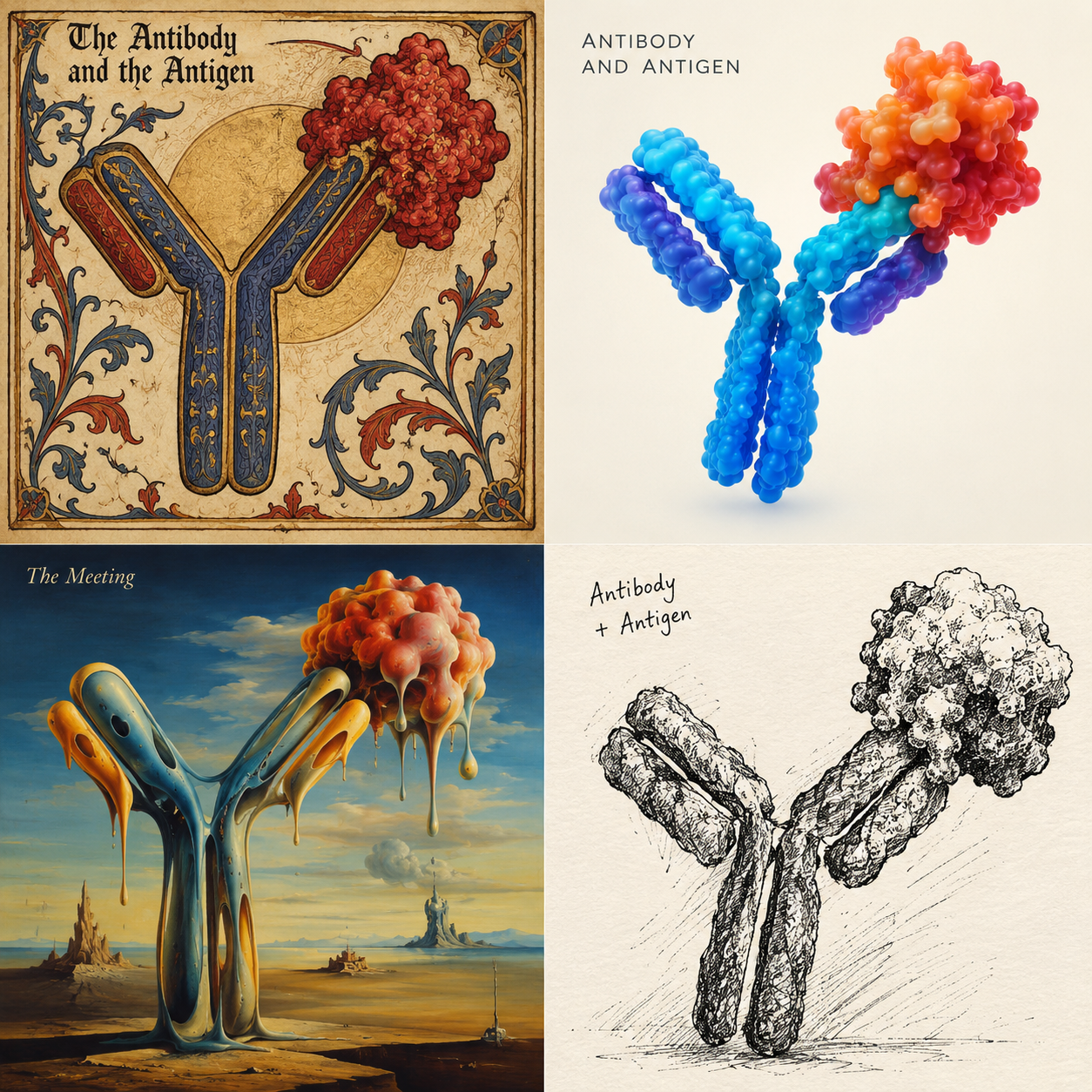
Beyond any single disease, we ask what a coordinated immune response looks like and how to recognize a failing one from blood. We apply multi-omic modeling, including serum proteomics, serology, transcriptomics, TCR and BCR repertoires, and methylation, to large clinical cohorts in cancer immunotherapy, COVID-19, tuberculosis, and dengue, and we develop the algorithms needed to harmonize them. Recent work showed that humoral IgG1 responses to tumor antigens underpin clinical outcomes after immune checkpoint blockade (Gonzalez-Kozlova* et al., Nat Med, 2026), that circulating soluble proteins track COVID-19 severity and long-term sequelae (Thompson et al., Nat Med, 2022), and that an IFN/IL-6/CEBP axis links monocyte expansion to tuberculosis severity (Delgobo et al., eLife, 2019). Across these settings we look for the shared, measurable signatures of immune regulation and its loss.
Liquid biopsy
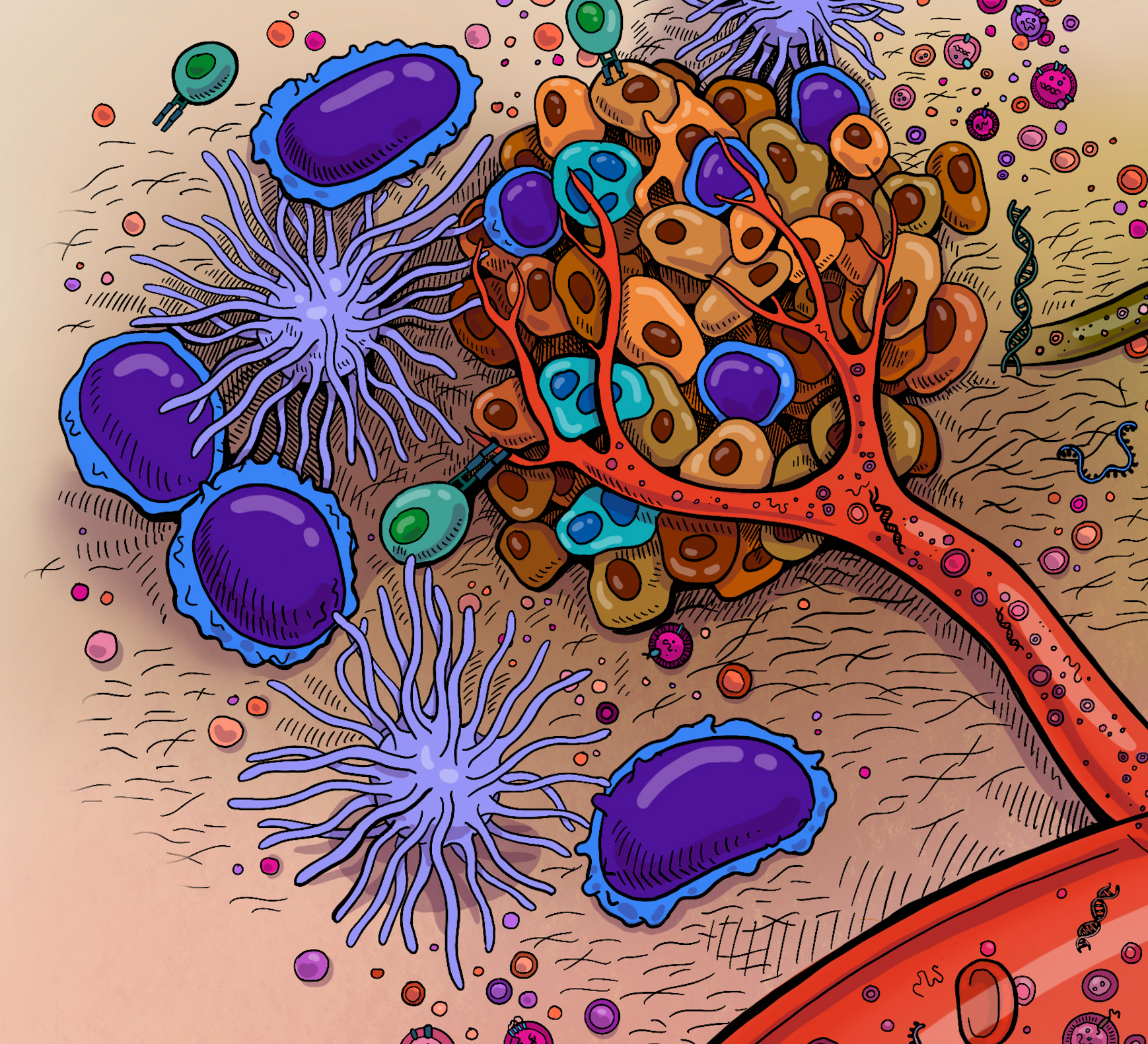
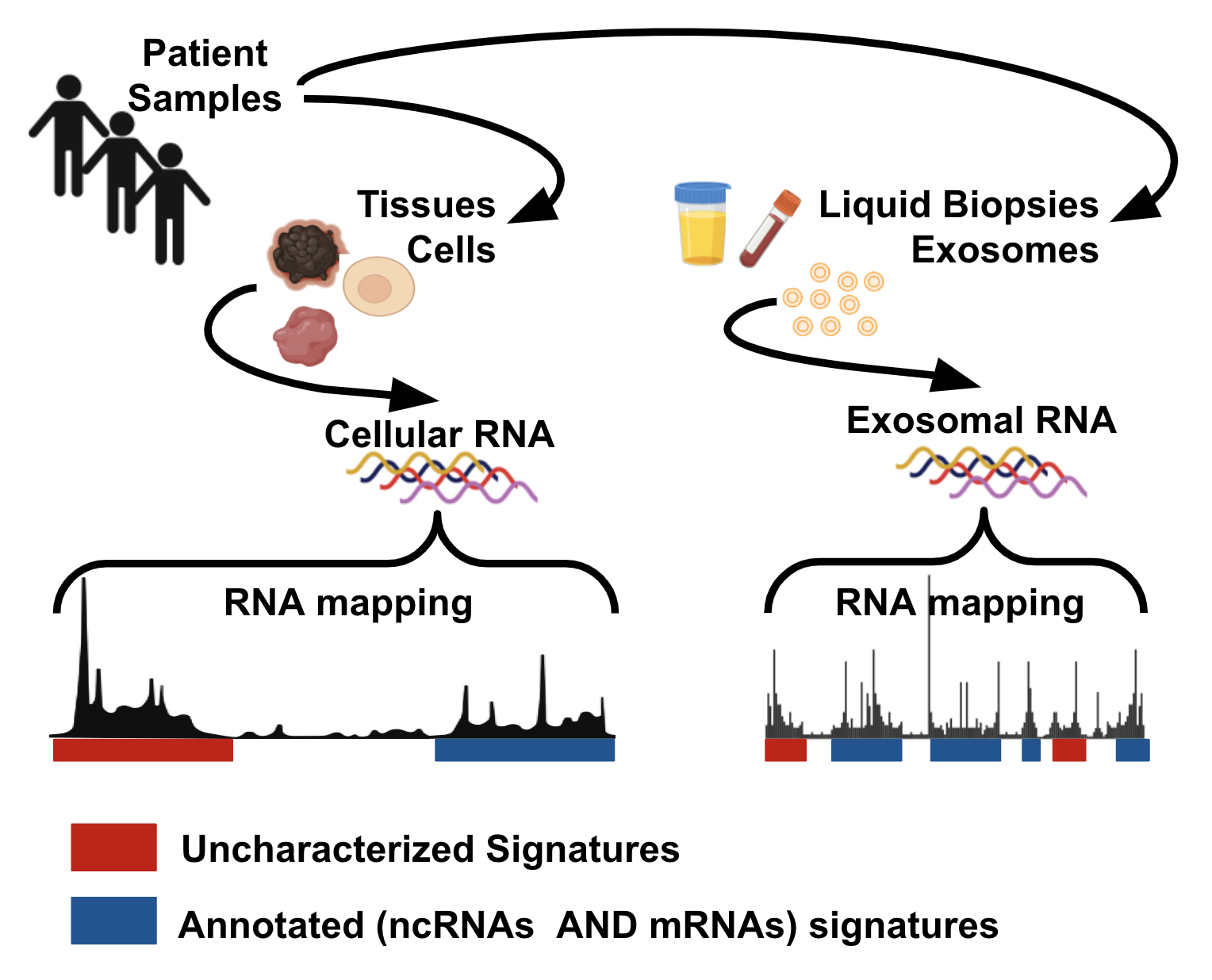
In collaboration with Dr. Dogra, we use cutting-edge technology to purify extracellular vesicles and particles using minimal sample RNA recovery to characterize the total RNA profiles from liquid biopsy samples. We QC and process the sequencing data to characterize expression profiles from either known or unknown regions in the genome to identify signatures associated with different types of human malignancies. We use diverse types of assays to tackle organ-specific hypotheses, such as RNA-seq, scRNA-seq, and mass spectrometry.
Cancer Research
In collaboration with Dr. Gnjatic, we focus on understanding the intricate mechanisms behind immune response in cancer clinical trials and infectious diseases such as COVID-19. We dissect diverse assays including RNA-seq, single-cell RNA-seq, methylation, proteomics (Olink, Somalogics), serology, seromics, multiplex immunohistochemistry, and spatial transcriptomics or proteomics.